
Adaptive Cycling: Freedom, Choice and Finding the Right Bike 
Through our work in inclusive sport, we have seen the difference that the right equipment can make to someone’s confidence, independence and ability to be active.
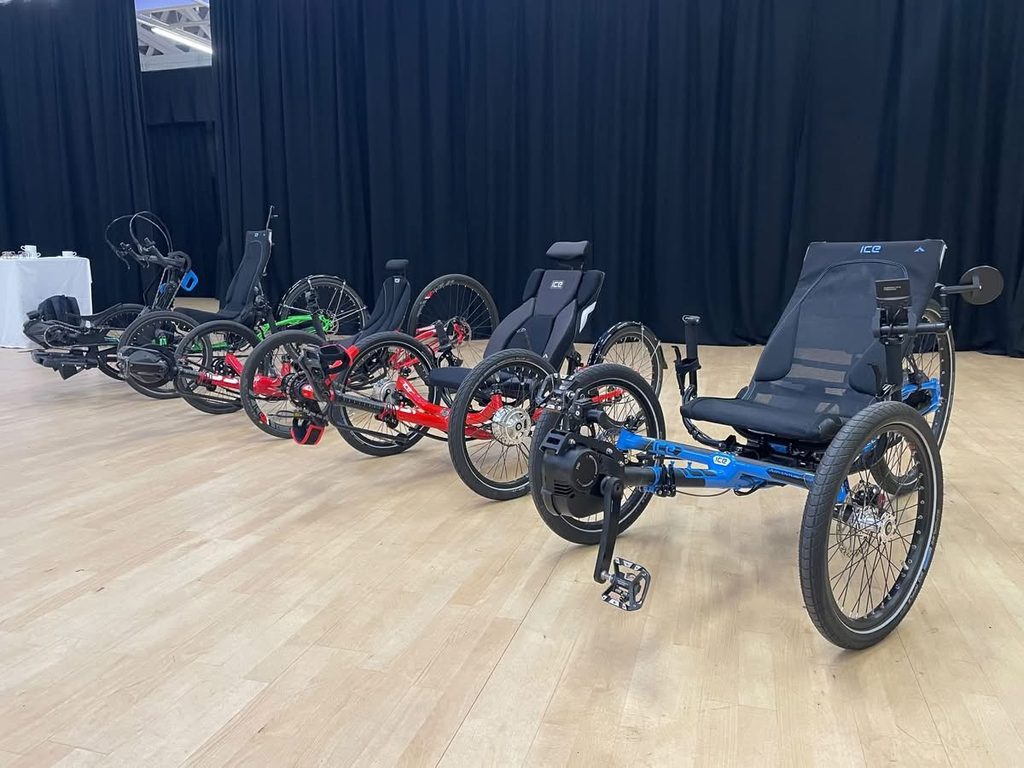
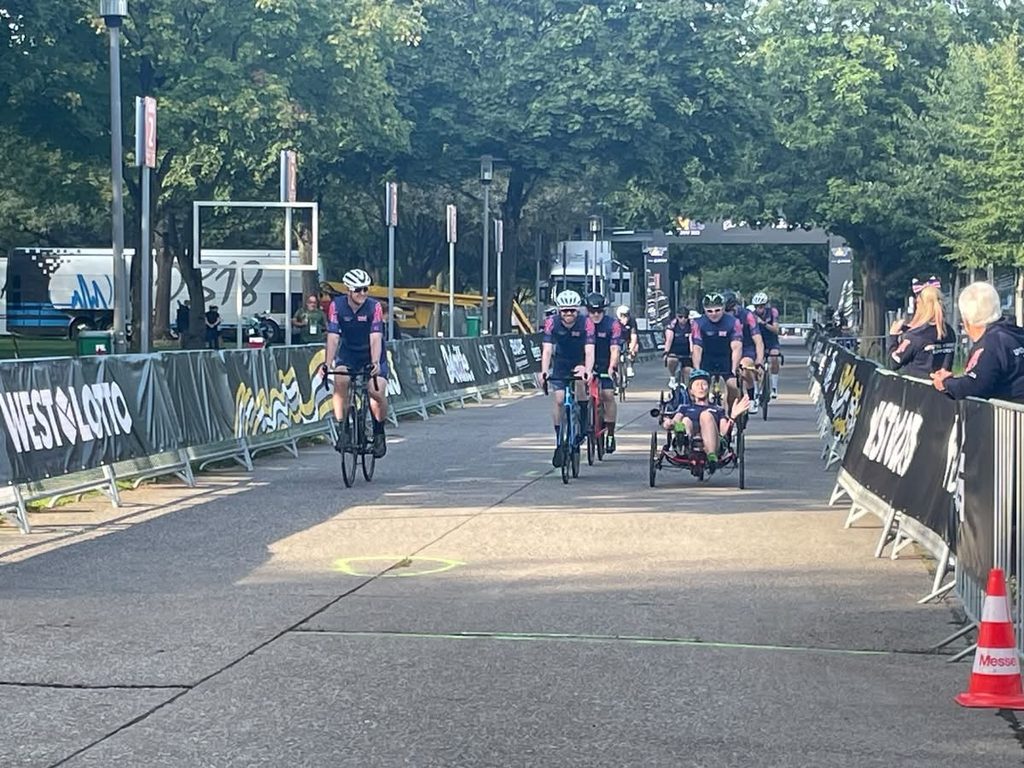
Our experience spans the Team UK Invictus Games programme, where cycling is one of the competitive sports, in Düsseldorf 2023 and shortly to be seen in Birmingham 2027, as well as weekly adaptive cycling sessions at the Royal British Legion’s (RBL) Battle Back Centre, where participants can experience different bikes and discover what works for them. Across these environments, people use a wide variety of recumbent and adaptive cycles, including ICE Trikes and electric-assist options.
The message is simple:
Adaptive cycling isn’t just for one group of people. Adaptive cycling is for everyone.
Finding the right bike
When we think about cycling, we often picture a traditional upright, two-wheeled bike. But that doesn’t work for everyone.
Hip, knee or back problems may make an upright riding position uncomfortable. Following a stroke, someone may experience changes to strength, coordination or balance. Neurological conditions can also affect balance and they may feel that the additional stability of three wheels is more appropriate for them, depending on their individual circumstances and medical advice.
Others may simply have lost confidence on two wheels.
None of these things necessarily mean cycling must stop.
Instead of asking, “Can you ride a bike?”, perhaps we should ask, “What type of bike works for you?”
Why recumbent trikes?
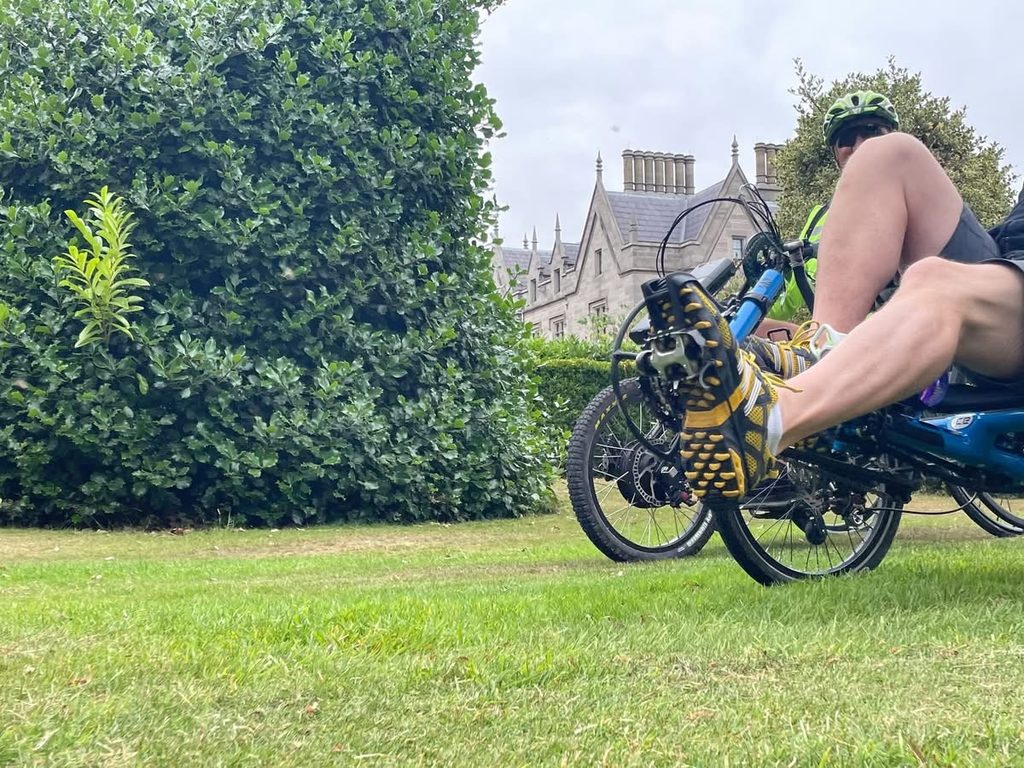
A recumbent trike provides three points of contact with the ground and a supportive seated position, removing the need to balance in the same way as on a conventional bicycle.
ICE (Inspired Cycle Engineering) produces recumbent trikes in a range of configurations, including hand bikes and electric-assist options. Combining three wheels, a supportive riding position and e-assist can open cycling to people who might otherwise struggle with a conventional bike.
Electric assistance doesn’t mean the motor does everything. It provides additional support when needed—perhaps on a hill, over longer distances, or when someone’s strength or energy fluctuates.
Sometimes that assistance makes the difference between “I don’t think I can” and “I can.”
More than exercise
Adaptive cycling isn’t only about physical activity. It can provide something equally important: freedom.
Imagine a family wanting to go for a bike ride. If one person can’t comfortably or safely use a conventional bike, they can easily become the person who stays behind
Change the equipment and the situation changes too.
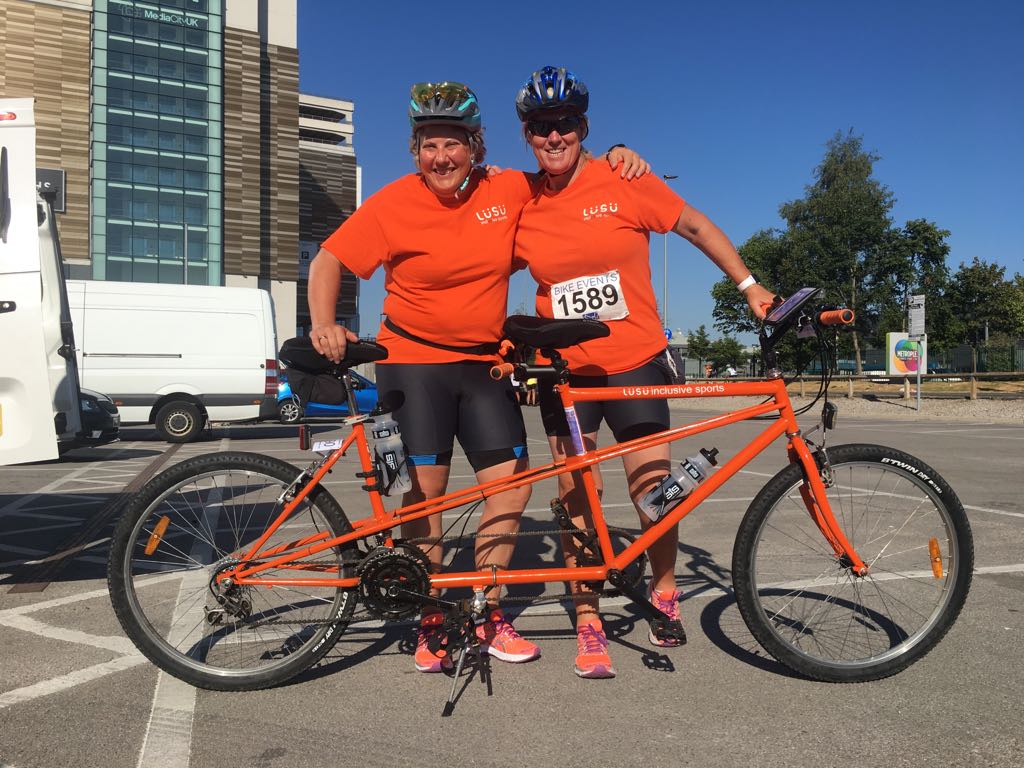
A recumbent trike, adaptive cycle or e-assisted bike may enable everyone to ride together—exercising, exploring, talking and sharing the same experience. How great is that!
That is what inclusion should be about. Not always creating a separate activity but finding ways for people to participate together.
Where can you try adaptive cycling?
Specialist bikes can be a significant investment, so having opportunities to try different equipment is important.
British Cycling’s Limitless programme provides cycling opportunities for disabled people regardless of age, impairment or ability and supports a network of inclusive cycling opportunities around the country.
Adaptive cycling is also appearing in less traditional settings. The National Trust has locations offering accessible and recumbent cycles. Clumber Park, for example, has included an ICE Trike within its cycle-hire fleet alongside other accessibility cycles.
Closer to LUSU’s West Yorkshire base, EPIKS (Environmental Projects in Kirklees) and its Walk Wheel Ride initiative provide information about walking, wheeling and cycling opportunities across Kirklees, including adaptive cycling.
Sometimes the biggest barrier isn’t someone’s ability to cycle—it is simply knowing where to go, what equipment exists and having the opportunity to try it.
Making cycling more affordable
Finding the right bike is one challenge; affording it can be another.
For eligible employees, the Cycle to Work scheme can provide a more affordable route into cycling through salary sacrifice, with eligible e-bikes included.
An e-bike shouldn’t automatically be viewed as the “easy option”. For some people, it is the enabling option—helping overcome hills, distance, fatigue or physical limitations and making cycling sustainable and enjoyable.
The LUSU approach: change the environment, not the person
At LUSU, we use STEP – Space, Task, Equipment and People when thinking about inclusion.
Adaptive cycling is STEP in action.
If equipment creates the barrier, change the equipment. If balance is difficult, explore three wheels. If the riding position causes discomfort, consider a recumbent. If hills, distance or fatigue limit participation, explore e-assist.
The solution doesn’t have to be a specialist adaptive cycle. For some people, changing from a conventional bike to an e-bike or e-gravel bike can be enough to reopen the outdoors, tackle challenging terrain and rediscover the enjoyment and freedom of cycling.
The starting point shouldn’t be a diagnosis or what somebody can’t do. It should be understanding the individual, identifying the barrier and exploring what could make participation possible.
The freedom to ride
Perhaps we need to stop thinking about adaptive cycling as a specialist version of “normal” cycling.
It’s simply cycling—with more choices.
Whether someone is living with a disability or long-term health condition, recovering from injury, experiencing changes in balance or mobility, finding a conventional bike uncomfortable, or simply looking for another way to stay active, there may be a bike that works for them.
The right bike can offer exercise, independence, confidence, family time and access to the outdoors.
Most importantly, it can offer something very simple:
the freedom to ride.




Keep informed of our upcoming events, courses and products.
© 2026 Lusu Sports Ltd. Physical activities for people with disabilities.
